
Last Rites
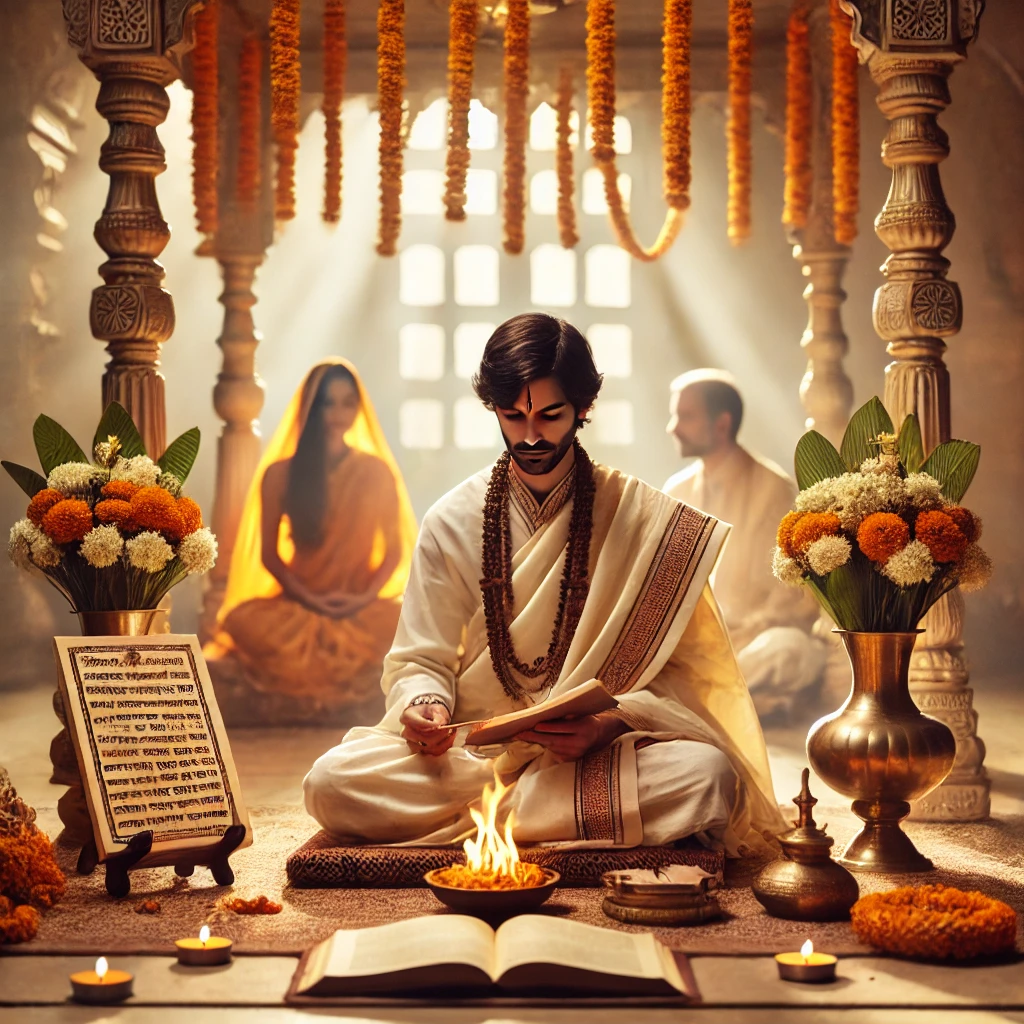
Last Rites in Hinduism: The Final Journey of the Soul
Last Rites, also known as Antim Sanskar, Antyeshti, or Funeral Rites, are one of the most important rituals in Hindu tradition. These sacred ceremonies are performed after the death of a person to ensure the peaceful departure of the soul and its journey toward liberation (moksha). Hinduism considers life as a cycle of birth, death, and rebirth, and the Last Rites are performed to help the soul transition from one stage to the next with blessings and purity.
Meaning of Last Rites (Antim Sanskar)
The term Antyeshti means “final sacrifice.” Just as life begins with Sanskar ceremonies, it ends with this final sanskar. The rituals are performed to honor the departed, express gratitude, and guide the soul toward peace.
Importance of Last Rites in Hinduism
Last Rites hold both spiritual and emotional significance:
They provide peace and liberation to the departed soul.
Help the family find closure and strength in grief.
Purify the atmosphere and surroundings after death.
Express love, respect, and gratitude toward the deceased.
Fulfill the duty of family members toward their ancestors.
Rituals of Last Rites (Antim Sanskar Vidhi)
The steps of the Hindu Last Rites may vary by region and community, but the common rituals include:
Preparation of the Body – The body is bathed, dressed in clean or traditional clothes, and placed on a bamboo bier.
Tilak and Garland – The forehead is marked with sacred ash or sandalwood paste, and flowers are offered.
Funeral Procession – The body is carried to the cremation ground with mantras and prayers.
Cremation (Dahan Sanskar) – The eldest son or a close male relative performs the lighting of the funeral pyre.
Asthi Visarjan – The ashes and remains are collected and immersed in a sacred river.
Shraddha and Pind Daan – Rituals performed after death to honor the departed and provide peace to the soul.
Symbolism of Cremation in Hinduism
Cremation is considered sacred because fire (Agni) is seen as a purifier. The burning of the body symbolizes the release of the soul from its physical form, helping it progress toward the spiritual realm.
Regional and Cultural Variations
In North India, cremation is performed on the riverbank, followed by 13 days of mourning rituals.
In South India, rituals often include extended chanting of Vedic mantras and elaborate offerings.
In Bengal, the ritual is called Shraadh and is performed with Pind Daan for ancestors.
Conclusion
The Last Rites are not merely rituals but a sacred farewell to the soul. They reflect the values of respect, purity, and eternal belief in the cycle of life and death. By performing these ceremonies, family members fulfill their duty toward the departed and pray for their peaceful journey toward liberation.
FAQs about Last Rites
Q1. What are Hindu Last Rites called?
They are known as Antim Sanskar, Antyeshti, or Funeral Rites, performed after a person’s death.
Q2. Why are Last Rites important?
They ensure the peaceful departure of the soul, purification of the body, and blessings for liberation (moksha).
Q3. Who performs the Last Rites?
Traditionally, the eldest son or a close male relative performs the cremation and associated rituals.
Q4. What is Asthi Visarjan?
It is the ritual of immersing the ashes of the departed in a holy river, usually the Ganga, to bring peace to the soul.
Q5. Can Last Rites be performed at home?
While cremation usually takes place at a cremation ground, some post-cremation rituals like Shraddha and Pind Daan can be performed at home or temples.