
Annaprasan Sanskar
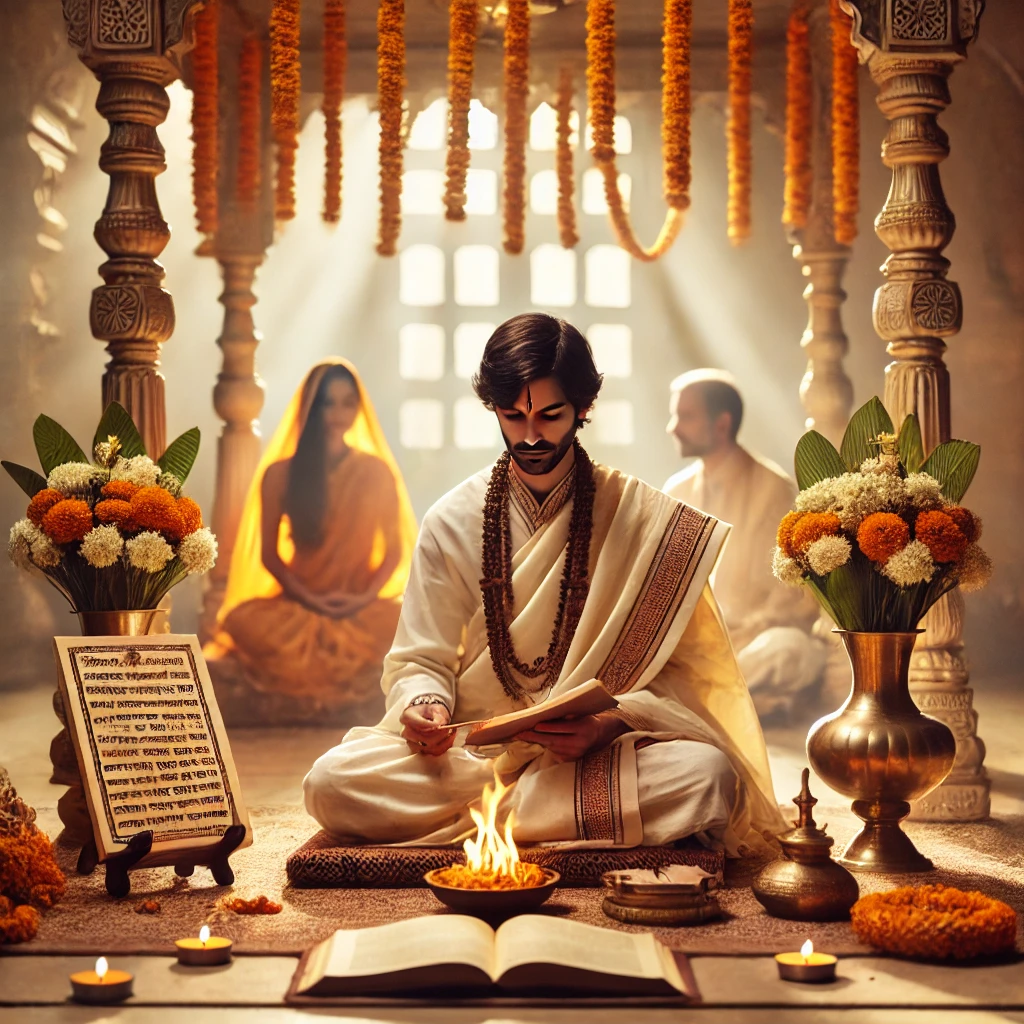
Annaprasan Sanskar: The First Rice Eating Ceremony in Hindu Tradition
Annaprasan Sanskar, also known as Annaprashan, Anna Prashan Vidhi, or the first rice eating ceremony, is one of the most important Hindu rituals for babies. This sacred ceremony marks the moment when a child is introduced to solid food, usually rice, for the very first time. Considered one of the essential 16 Hindu Sanskars, Annaprasan signifies the transition of the baby from exclusive breastfeeding to the beginning of their journey with grains and food.
Meaning of Annaprasan
The word Annaprasan comes from Sanskrit where “Anna” means food or grain and “Prashan” means feeding or eating. Together it signifies “feeding the first morsel of food.” Traditionally, it is believed that this ceremony blesses the child with good health, prosperity, and longevity.
Importance of Annaprasan Sanskar
Annaprasan is not just a feeding ritual but also a cultural and spiritual milestone. Parents, grandparents, relatives, and family priests come together to perform puja and rituals for the child’s well-being. It is believed that Annaprasan Sanskar helps:
Strengthen the child’s bond with family and culture
Invite divine blessings from deities and ancestors
Ensure the child’s healthy physical and spiritual growth
Mark the beginning of a new phase in life
When is Annaprasan Performed?
The timing of Annaprasan is decided according to Hindu traditions and astrology. Generally, it is performed:
For boys in the 6th or 8th month
For girls in the 5th or 7th month
However, the exact date and time are chosen based on the baby’s health and an auspicious muhurat suggested by the family priest.
Rituals of Annaprasan Ceremony
The Annaprasan Vidhi includes several steps performed with devotion:
Purification and Puja – The ceremony begins with Vedic chants, prayers, and worship of family deities.
Feeding of First Grain – The child is seated on the father’s or grandfather’s lap, and the mother or father feeds the first spoonful of rice mixed with ghee, milk, or honey.
Blessings Ritual – Relatives and elders bless the baby with gifts, clothes, or jewelry.
Future Prediction Game – In many families, symbolic items like books, pens, money, or toys are placed before the child to predict future interests or career paths.
Foods in Annaprasan
Traditionally, cooked rice, kheer, or payasam is offered to the child. In some regions, variations like dal, fruits, and sweets are also introduced. The choice of food depends on the local culture and family customs.
Regional Variations of Annaprasan
In Bengali tradition, it is called Mukhe Bhaat, celebrated with grandeur and feasts.
In Kerala and Tamil Nadu, the ritual is known as Choroonu.
In other parts of India, it may be called Annaprashana or Anna Prasan Vidhi, but the essence remains the same.
Conclusion
Annaprasan Sanskar is a beautiful blend of tradition, spirituality, and family bonding. It is not just about feeding the first morsel of rice but about welcoming the child into cultural values and blessings for a healthy, prosperous life.
FAQs about Annaprasan Sanskar
Q1. What is the right age for Annaprasan Sanskar?
The ceremony is usually performed in the 5th or 7th month for girls and the 6th or 8th month for boys, based on health and muhurat.
Q2. Who performs the Annaprasan ritual?
The ceremony is generally conducted by a Hindu priest with family members actively participating in the rituals.
Q3. What food is given to the baby in Annaprasan?
Usually, rice, kheer, or payasam is fed first, sometimes mixed with ghee, honey, or milk, depending on regional traditions.
Q4. Can Annaprasan be done at home?
Yes, many families perform Annaprasan at home with the guidance of a priest, while others prefer temples or community halls.
Q5. Is Annaprasan the same as Choroonu or Mukhe Bhaat?
Yes, they are regional names for the same ritual. In Kerala it is called Choroonu, and in Bengal it is known as Mukhe Bhaat.