
Vedic Rituals & Sanskars
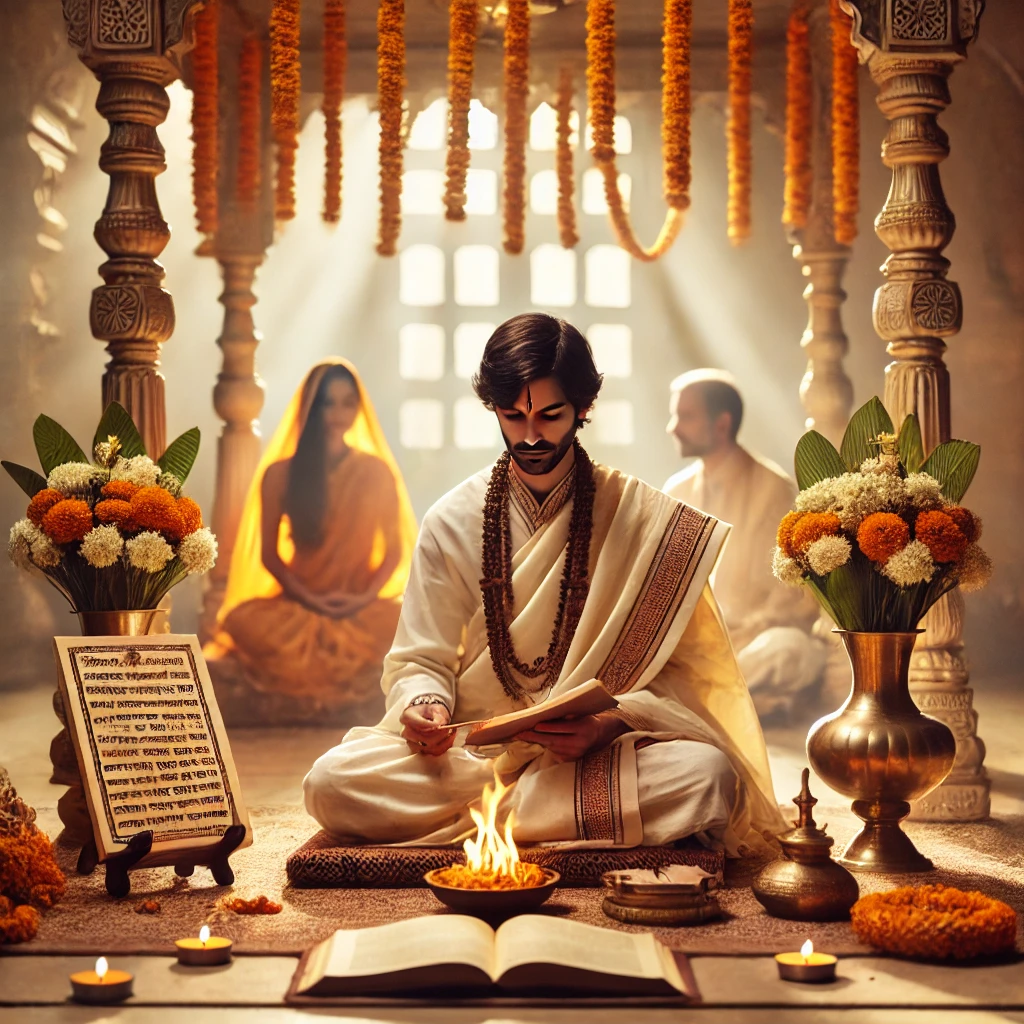
Vedic Rituals & Sanskars: Ancient Traditions for a Meaningful Life
Vedic rituals and sanskars form the foundation of Hindu culture and spirituality. Rooted in the Vedas, these sacred practices guide human life from birth to death, ensuring physical, mental, and spiritual growth. Vedic rituals purify the environment and connect individuals with divine energies, while sanskars are life-cycle ceremonies that sanctify different stages of human life. Together, they preserve traditions, promote spiritual well-being, and bring harmony to family and society.
What are Vedic Rituals?
Vedic rituals are sacred ceremonies performed with mantras, offerings, and fire (havan) to invoke divine blessings. They are based on the four Vedas and include daily worship, seasonal rituals, and special yajnas. The rituals aim to purify the body, mind, and soul while bringing peace and prosperity.
What are Sanskars?
Sanskars are life-cycle rites described in the scriptures that purify and sanctify important stages of life. According to Hindu tradition, there are 16 major sanskars (Shodasha Samskaras), starting from conception to funeral rites. These ceremonies guide an individual’s journey with blessings, discipline, and spiritual values.
Types of Vedic Rituals & Sanskars
1. Birth & Childhood Sanskars
Garbhadhan Sanskar – Performed for conception and healthy pregnancy.
Namkaran Sanskar – Naming ceremony for the newborn.
Annaprashan Sanskar – First feeding of solid food to the child.
Mundan Sanskar – First head-shaving ritual for purification and growth.
2. Education & Growth Sanskars
Vidyarambh Sanskar – Beginning of education.
Upanayan Sanskar – Sacred thread ceremony for initiation into learning and discipline.
Samavartan Sanskar – Graduation ceremony after completion of studies.
3. Marriage & Family Sanskars
Vivah Sanskar – Marriage ceremony uniting two individuals and families.
Seemantonnayan & Jatakarma – Blessings for childbirth and motherhood.
4. Death & Afterlife Sanskars
Antyeshti Sanskar – Funeral rites for the peaceful journey of the soul.
Shraddha & Tarpan – Rituals to honor ancestors and seek blessings.
Importance of Vedic Rituals & Sanskars
Spiritual Growth – Connects the soul with divine powers.
Cultural Preservation – Passes traditions and values across generations.
Life Purification – Each sanskar removes impurities and adds discipline.
Social Harmony – Brings families and communities together in rituals.
Blessings & Prosperity – Invokes divine grace for success, peace, and happiness.
Benefits of Professional Ritual Services
Correct chanting of Vedic mantras by trained priests
Authentic performance of rituals and sanskars
Arrangement of puja samagri and havan kund
Guidance for families in following traditions
Stress-free management of ceremonies.
Conclusion
Vedic rituals and sanskars are more than just traditions – they are a way of life. They sanctify every stage of human existence, from birth to death, with divine blessings and cultural values. By performing these sacred ceremonies correctly, individuals not only honor their heritage but also ensure peace, prosperity, and spiritual growth for themselves and future generations.
Frequently Asked Questions (FAQs)
Q1. What are Vedic rituals and sanskars?
Vedic rituals are sacred ceremonies based on the Vedas, while sanskars are life-cycle rites that sanctify different stages of life.
Q2. How many sanskars are there in Hindu tradition?
There are 16 major sanskars (Shodasha Samskaras), starting from conception to funeral rites.
Q3. Why are sanskars important?
Sanskar ceremonies purify life, strengthen values, preserve culture, and bring divine blessings for a meaningful life.
Q4. Can Vedic rituals be performed at home?
Yes, many rituals such as puja, havan, and sanskars can be performed at home with guidance from trained priests.
Q5. Do professional services help in performing sanskars?
Yes, professional services provide priests, materials, and proper guidance to ensure rituals and sanskars are performed authentically.