
Mundan Sanskar
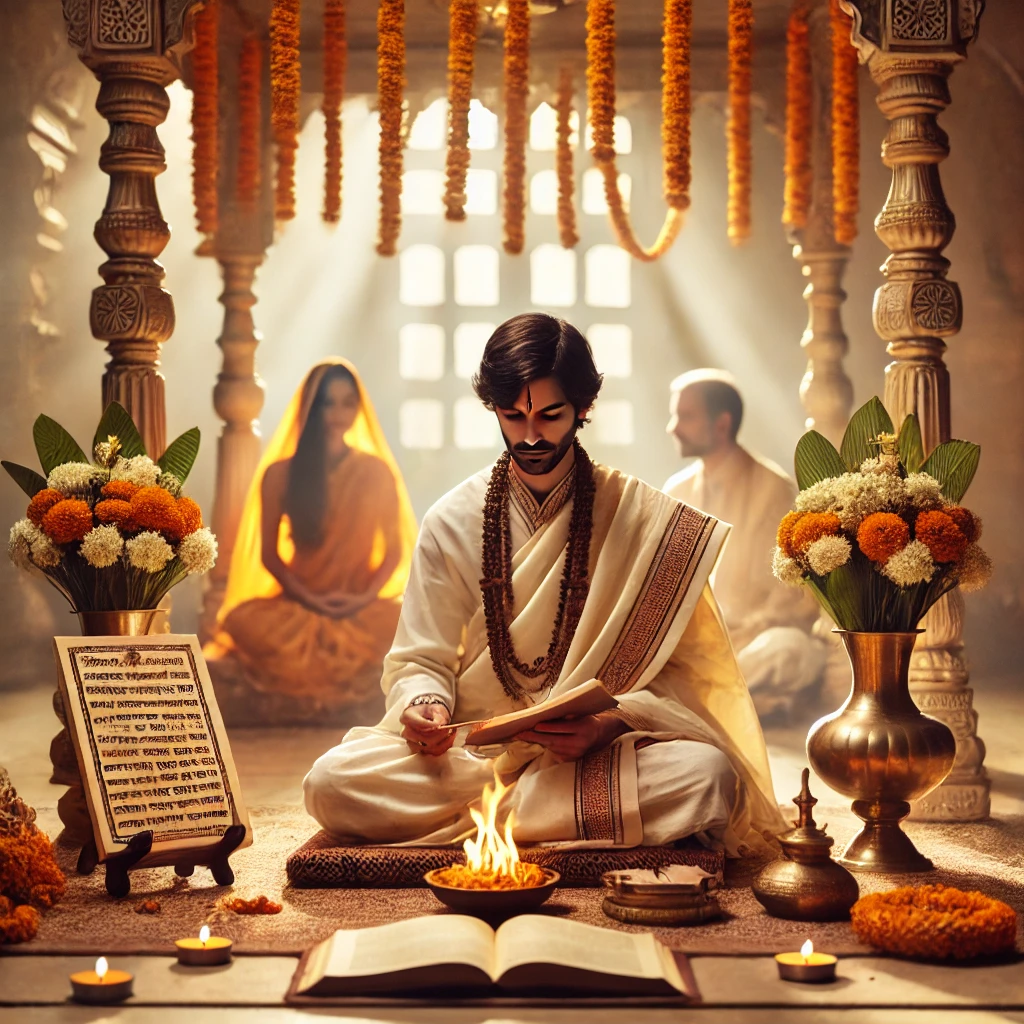
Mundan Sanskar: The Sacred Head-Shaving Ceremony in Hindu Tradition
Mundan Sanskar, also known as Chudakarana Sanskar or Tonsure Ceremony, is one of the most important of the 16 Hindu Sanskars (Shodash Sanskar). It is the ritual of shaving a child’s head for the first time and holds deep spiritual, cultural, and scientific significance. Performed with Vedic mantras, Mundan Sanskar is believed to purify the child, remove past birth impressions, and bless them with health, wisdom, and long life.
Meaning of Mundan Sanskar
The word Mundan means shaving the head, and Sanskar means purification rite. The ceremony symbolizes:
The removal of undesirable traits from past lives.
The beginning of new spiritual and intellectual growth.
The purification of body and soul.
Importance of Mundan Sanskar
This Sanskar is not only religious but also beneficial for the child’s health and development. Some of the key reasons include:
Promotes healthy hair growth.
Keeps the head cool and improves blood circulation.
Believed to remove negative karma from past births.
Invokes blessings for wisdom, knowledge, and prosperity.
Strengthens the bond between child, family, and tradition.
Age and Timing for Mundan Sanskar
According to Hindu traditions:
The ceremony is usually performed when the child is between 6 months and 3 years old.
Some families prefer it at the 3rd or 5th year.
The exact date and time are chosen by consulting the Hindu Panchang (astrological calendar) and an auspicious muhurat.
Rituals of Mundan Sanskar
The Mundan ceremony may vary across regions, but the common rituals include:
Ganesh Puja – Worship of Lord Ganesha to remove obstacles.
Havan (Fire Ritual) – Performed to purify the environment and seek blessings.
Head Shaving (Tonsure) – The child’s hair is shaved by a barber or priest while Vedic mantras are chanted.
Collection of Hair – The shaved hair is often offered in a river, temple, or sacred place.
Blessings and Celebration – Elders bless the child, followed by a family feast or gathering.
Regional and Cultural Variations
In North India, Mundan is performed with great celebration at temples or pilgrimage sites like Varanasi, Haridwar, or Mathura.
In South India, it is called Chudakarana and often takes place in temples like Tirupati.
In Maharashtra, families combine Mundan with other pujas like Satyanarayan Puja.
In Bengal, it is popularly called Churakarana.
Scientific Significance of Mundan
Apart from its religious importance, Mundan Sanskar has health benefits:
Promotes healthy and stronger hair growth.
Improves blood circulation to the scalp.
Keeps the body cool, especially in hot climates.
Prevents skin infections and maintains scalp hygiene.
Conclusion
Mundan Sanskar is a beautiful blend of spirituality, tradition, and science. It marks the beginning of a child’s new journey by removing past karmic influences and blessing them with health, wisdom, and prosperity. Beyond its ritualistic value, the ceremony strengthens cultural roots and family bonding.
FAQs about Mundan Sanskar
Q1. What is the purpose of Mundan Sanskar?
The purpose is to purify the child, remove past birth negativities, promote healthy hair growth, and seek blessings for wisdom and prosperity.
Q2. At what age is Mundan performed?
It is generally performed between 6 months and 3 years of age, or sometimes in the 3rd or 5th year.
Q3. Can Mundan Sanskar be performed at home?
Yes, it can be performed at home with the guidance of a priest, though many families prefer temples or holy places.
Q4. What happens to the hair after Mundan?
The shaved hair is often immersed in rivers, offered in temples, or disposed of at sacred places.
Q5. Is Mundan Sanskar compulsory in Hinduism?
While not compulsory, it is a highly significant Sanskar in Hindu tradition and is widely practiced across regions.